
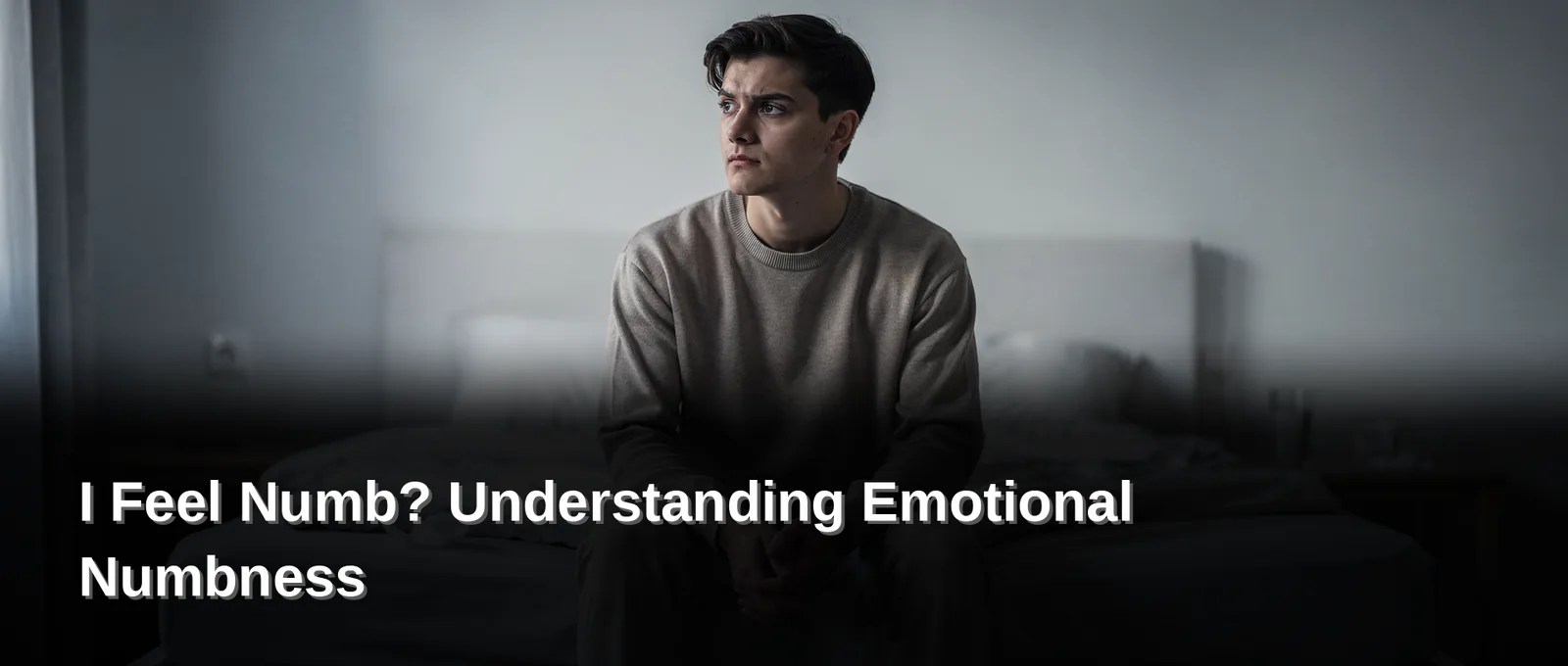
Emotional numbness, or blunting, is the brain’s protective response to overwhelming stress, trauma, or burnout. The flat, disconnected state often accompanies depression or anhedonia, the reduced ability to feel pleasure. Calm and Sense Therapy’s clinicians help clients reconnect with their emotions through tailored treatment that addresses the whole person, not just symptoms.
Key Takeaways
Emotional numbness is the brain’s protective response to overwhelming stress, trauma, or burnout.
Many people with depression experience numbness rather than sadness as their dominant symptom.
The amygdala triggers fight, flight, freeze, fawn, or flop reactions that shut down emotions entirely.
Chronic emotional detachment often develops after years of pushing through difficult experiences without enough support.
Why do I feel numb instead of sad?
Emotional numbness is a reduced ability to feel emotions, both negative and positive. Many people with depression experience numbness rather than sadness. The absence of tears does not mean the absence of struggle.
Mental Health America notes that feeling numb, or anhedonia, is a common experience for people living with depression and other mental health conditions. High Focus Centers reports that emotional numbness is being searched online more frequently than traditional depression symptoms. That shift signals a widespread experience of “emotionally disconnected” states that go unnamed.
Is emotional numbness a form of depression?
Yes. Numbness often replaces sadness as the dominant symptom. A person may stop crying, stop reacting, and stop caring. The brain suppresses feeling as a protective response to overwhelm.
What does emotional numbness feel like?
Flat emotional responses to events that once mattered
A sense of watching life from a distance
Difficulty identifying or naming any feeling
Loss of pleasure in activities, relationships, or routines
Calm and Sense Therapy specializes in caring for the whole client, not just their symptoms. Treatment addresses the underlying stress, trauma, or grief and loss that drives the shutdown. Without intervention, the disconnection deepens and recovery takes longer.

What causes emotional numbness?
Emotional numbness acts as the brain’s automatic protection system. The mind presses pause on feeling when stress, trauma, or overwhelm becomes too much to process.
A survival mechanism drives this response. The amygdala detects threat and triggers the body’s emergency reactions. Those reactions include fight, flight, freeze, fawn, or flop. Freezing and flopping often involve shutting down emotions entirely. The brain prioritizes getting through the moment over processing feelings.
Chronic emotional detachment does not always trace back to a single traumatic event. Many people develop numbness after years of pushing through difficult experiences without enough support. The accumulation of unprocessed stress gradually disconnects a person from their internal emotional world. Individuals report feeling like spectators in their own lives rather than participants. This “emotionally disconnected” state frustrates and alarms adults who once felt things deeply.
Why does the brain shut down emotions?
Protection takes priority over processing during perceived threats. The brain sacrifices emotional awareness when survival demands immediate action. Emotional blunting becomes the nervous system’s default setting after repeated activation.
Can long-term stress cause emotional numbness?
Chronic stress gradually depletes the capacity to feel. Without consistent support or healthy outlets, the brain learns to suppress emotion as a coping strategy. Years of this pattern create persistent detachment that feels like emptiness rather than sadness.
Calm & Sense Therapy addresses these root causes with experienced clinicians. The practice’s therapists bring diverse expertise to treat why do I feel numb patterns across many areas of mental health. Treatment targets the underlying mechanisms rather than just the symptoms. Effective stress management in New Jersey builds the foundation for reconnecting with suppressed emotions. Long-term numbness rarely resolves without addressing its origins.

Is emotional numbness a trauma response?
Yes, emotional numbness is a direct trauma response. Emotional numbing is the experience of feeling cut off from one’s own emotions, leaving a person flat, distant, and disconnected even when circumstances demand feeling something.
When something traumatic happens, the brain’s priority is getting the person through it. The amygdala, the part of the brain that processes threat, fires up the fight, flight, freeze, or fawn response. In the moment, shutting down emotions is actually protective. The brain presses pause on feeling because feeling would overwhelm the system.
Why does the brain choose numbness over feeling?
The brain treats emotional shutdown as survival. A person facing trauma does not have the bandwidth to process fear, grief, or rage while the threat is active. Numbness buys time. It creates distance between the person and the pain.
That protective mechanism becomes a problem when it outlasts the danger. What started as a survival response turns into a persistent state of disconnection. Adults who feel “emotionally disconnected” months or years after trauma are experiencing a nervous system still stuck in protection mode.
Can therapy help reverse trauma-related numbness?
Yes. Calm and Sense Therapy works with adults, adolescents, and children who have experienced trauma. Individual therapy helps clients recognize numbness as a response, not a personality flaw. Treatment focuses on restoring safe access to emotions at a pace the nervous system can tolerate.
Trauma therapy addresses the root cause of emotional shutdown. Clients learn that feeling again is not dangerous. The brain can unlearn the pattern that once kept it safe.

How can I start feeling again?
Support, lifestyle changes, and treatment reduce feelings of numbness. Mental Health America reports that people find relief through support, lifestyle adjustments, and treatment, including medications and therapy.
Recovery begins with small, deliberate steps. A person does not need to force emotions back all at once. Gradual reconnection works better than pressure.
What does tailored therapy look like for emotional numbness?
Therapy is tailored to meet each individual’s needs because while symptoms may be the same, people are not. Calm and Sense Therapy draws upon each person’s own qualities and strengths during treatment.
A therapist helps clients identify what numbness protects them from. Then the work shifts toward rebuilding emotional range at a manageable pace.
Where can someone access this kind of support?
Calm and Sense Therapy delivers tailored counseling across four New Jersey locations and via telehealth. Clients in Scotch Plains, Toms River, Union, and Warren can access in-person sessions. Virtual therapy removes geographic barriers entirely.
For those whose numbness stems from depression, depression counseling addresses the underlying condition directly. Feeling “emotionally disconnected” does not have to be permanent.
The path forward involves naming the numbness, understanding its protective role, and slowly reintroducing feeling. Professional guidance makes that process safer and more structured.
When should I seek professional help?
Emotional numbness is not a mental health diagnosis. It is a common reaction to difficult moments. The experience can also signal an underlying health condition that warrants clinical attention. Recognizing when numbness shifts from a temporary protective response to a persistent barrier helps individuals reclaim their emotional lives before disconnection becomes the default state.
How long does emotional numbness typically last?
Brief episodes tied to acute stress often resolve as circumstances stabilize. Numbness that lingers for weeks or months points toward something deeper. When the flatness outlasts the triggering event, professional assessment becomes valuable. Untreated numbness erodes relationships and strips away the motivation that fuels daily functioning.
What signs indicate numbness needs clinical support?
Several markers distinguish situational blunting from a condition requiring therapy. Calm and Sense Therapy encourages individuals to notice these warning signs:
“Emotionally disconnected” states persist across multiple settings, not just during stressful moments
The inability to feel pleasure or sadness interferes with work performance and personal relationships
Numbness accompanies other symptoms like sleep disruption, appetite changes, or chronic fatigue
A person begins avoiding social contact because faking emotions feels exhausting
The practice, located in Scotch Plains, NJ, employs 34 professionals who assess these patterns with precision. Prompt daytime availability and easy scheduling online or by phone remove barriers to that first conversation. A therapist determines whether the numbness stems from burnout, unresolved trauma, or an underlying condition requiring coordinated care. Early intervention prevents the compounding losses that untreated emotional blunting creates.
FAQ
Is emotional numbness a form of depression?
Yes. What causes emotional numbness? The amygdala detects threat and triggers fight, flight, freeze, fawn, or flop reactions that shut down emotions entirely.
Conclusion
Emotional numbness does not have to be the final word on how you feel. Recognizing it as a protective response rather than a permanent state opens the door to recovery. The path forward involves naming the numbness, understanding its role, and slowly reintroducing feeling with professional guidance. Taking that first step toward treatment restores what numbness took away.
Related Posts

How to Set Boundaries Without Guilt
Learn to set healthy boundaries without guilt. Rise Thru Chaos reveals how…


Holiday Stress and Family Triggers: How to Protect Your Peace
Navigate holiday triggers and family conflict with trauma-informed coaching.…

Targets “identity Loss: Reclaiming Your Self: Identity Loss
Rebuild personal identity after divorce or career change. Rise Thru Chaos…