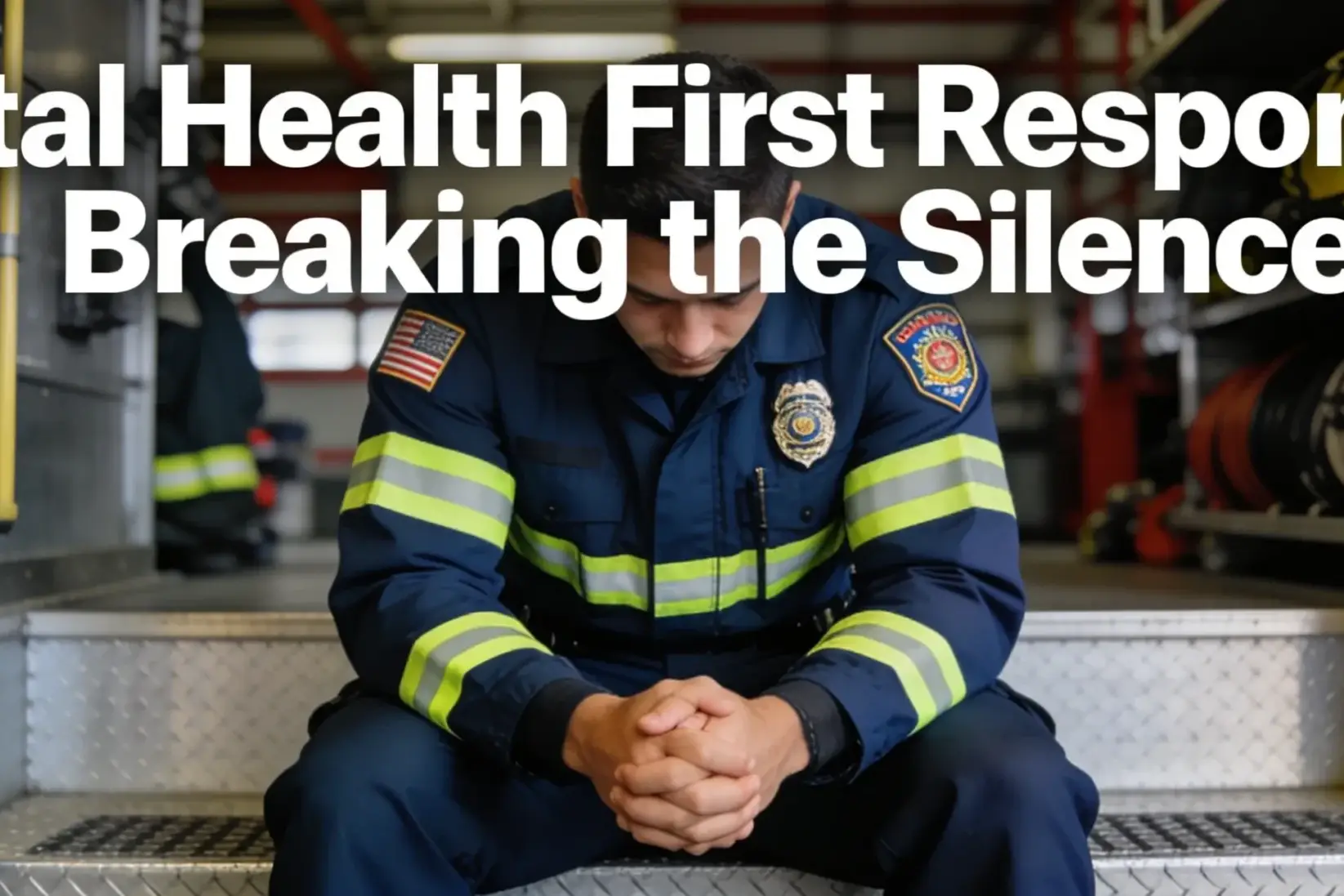
The Importance of Mental Health Awareness
Mental health awareness is crucial in today's society, as it helps to destigmatize mental health issues and encourages individuals to seek help. By raising awareness, we can foster understanding and empathy, making it easier for those struggling to communicate their needs and experiences.
Educational campaigns and community initiatives play a significant role in promoting mental health awareness. For instance, events like Mental Health Month and World Mental Health Day provide platforms for discussions, resources, and support networks, helping individuals feel less isolated in their struggles.
Effective Strategies for Emotional Well-Being
Emotional well-being is essential for a balanced life, and there are various strategies individuals can adopt to enhance their mental health. Techniques such as mindfulness, journaling, and regular physical activity can significantly improve mood and resilience against stress.
For example, practicing mindfulness through meditation can help individuals become more aware of their thoughts and feelings, allowing them to respond to stressors more effectively. Additionally, engaging in physical activities releases endorphins, which are natural mood lifters, contributing to overall emotional stability.
Understanding Trauma and Its Impact
Trauma can have profound effects on mental health, influencing emotional responses and behavior. Understanding the nature of trauma is vital for individuals seeking healing and recovery, as it allows them to recognize its impact on their lives.
Research indicates that trauma can lead to various mental health disorders, including PTSD, anxiety, and depression. Therapeutic approaches such as cognitive-behavioral therapy (CBT) and trauma-informed care are essential for helping individuals process their experiences and rebuild their lives.
Building a Supportive Community for Mental Health
A supportive community is vital for promoting mental health and wellness. Creating environments where individuals feel safe to share their experiences fosters connection and reduces feelings of isolation. Community support can come from friends, family, or peer groups that understand the challenges of mental health struggles.
Participating in group therapy or support groups can provide individuals with a sense of belonging and understanding. These settings encourage open dialogue and shared experiences, which can be incredibly healing and empowering for those on their mental health journey.