
By Rise Thru Chaos Editorial Team · Updated 2026-07-16
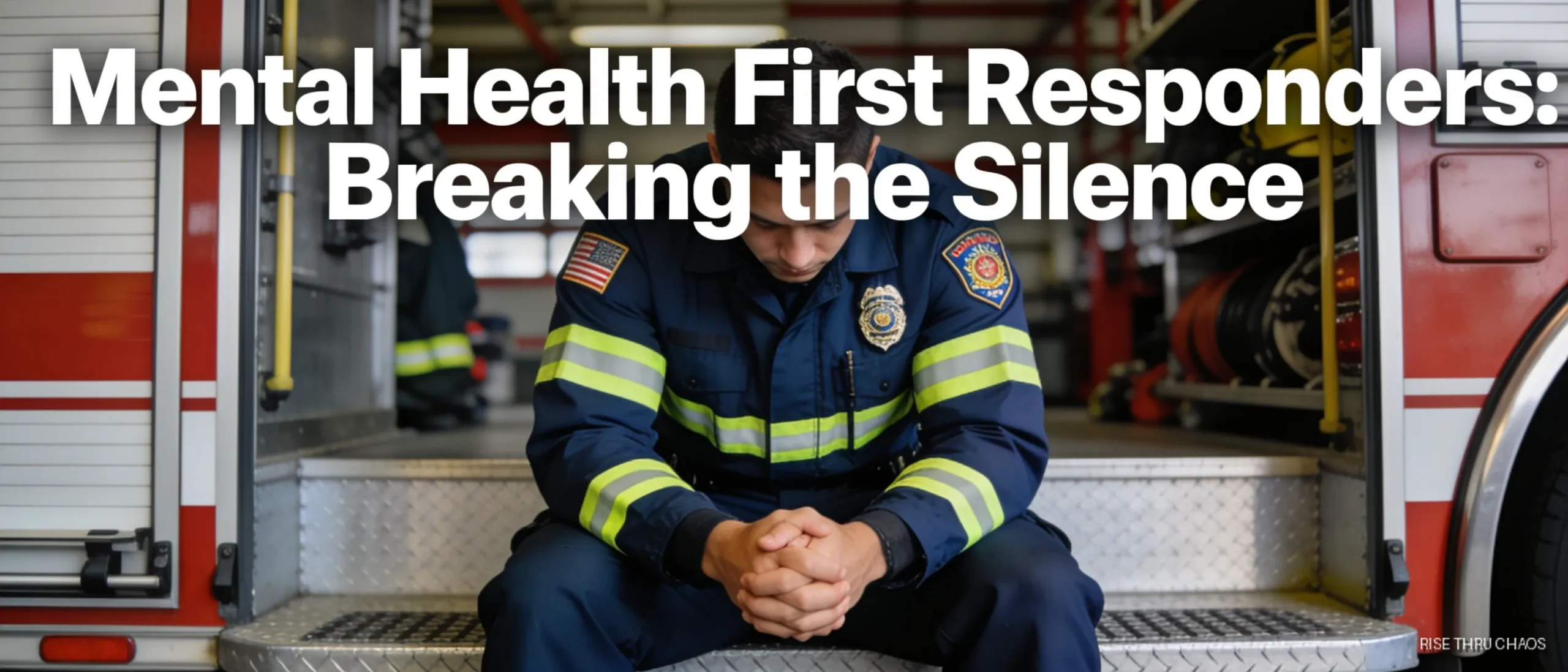
For mental health first responders, first responders operate inside a culture that actively discourages help-seeking. Peer support exists, yet mental health assistance remains difficult to access. Operational stressors and repeated traumatic events compound over time. The pressure to stay functional overrides personal need. Rise Thru Chaos, founded by ICF-trained Coach Martha, recognizes this silence — and works to break it.
Key Takeaways
First responders encounter operational stressors and traumatic events regularly, increasing mental health issue risk significantly.
Organizational culture within first responder agencies lacks established help-seeking norms and peer support infrastructure.
First responders turn primarily to peers for early psychological support rather than professional mental health services.
Unique cultural complexities specific to first responder professions create barriers to accessing behavioral health treatment.
Why Do First Responders Avoid Asking for Help?
Mental health first responders face a deeply rooted cultural barrier that frames vulnerability as failure. Asking for help inside first responder culture carries a stigma so powerful that many officers, firefighters, and paramedics stay silent rather than risk being seen as weak.
What Makes First Responder Culture So Resistant to Mental Health Support?
First responders regularly encounter operational stressors and potentially traumatic events. Those repeated exposures increase the risk of serious mental health issues over time. Yet the professional culture demands forward momentum — process the incident fast, get back to work, say nothing. Silence becomes the default coping strategy. The cost of that silence is devastating.
How Serious Is the Mental Health Crisis Among First Responders?
First responders are dying by suicide at rates that exceed line-of-duty deaths. A fact that underscores how urgently the culture must change. The barriers driving that statistic include:
Fear of judgment from peers and supervisors
A professional identity built around strength and self-sufficiency
Limited access to culturally competent support, such as first responder burnout coaching or a structured first responder wellness program
Coaching for law enforcement and veteran trauma coaching exist precisely because standard mental health models often miss the unique pressures these professionals carry. Rise Thru Chaos Coaching & Wellness meets first responders where the standard system has failed them — with Discover What Is Trauma-Empathetic Coaching – Your Guide designed for lives lived at the edge of chaos.
What Mental Health Risks Do First Responders Face?
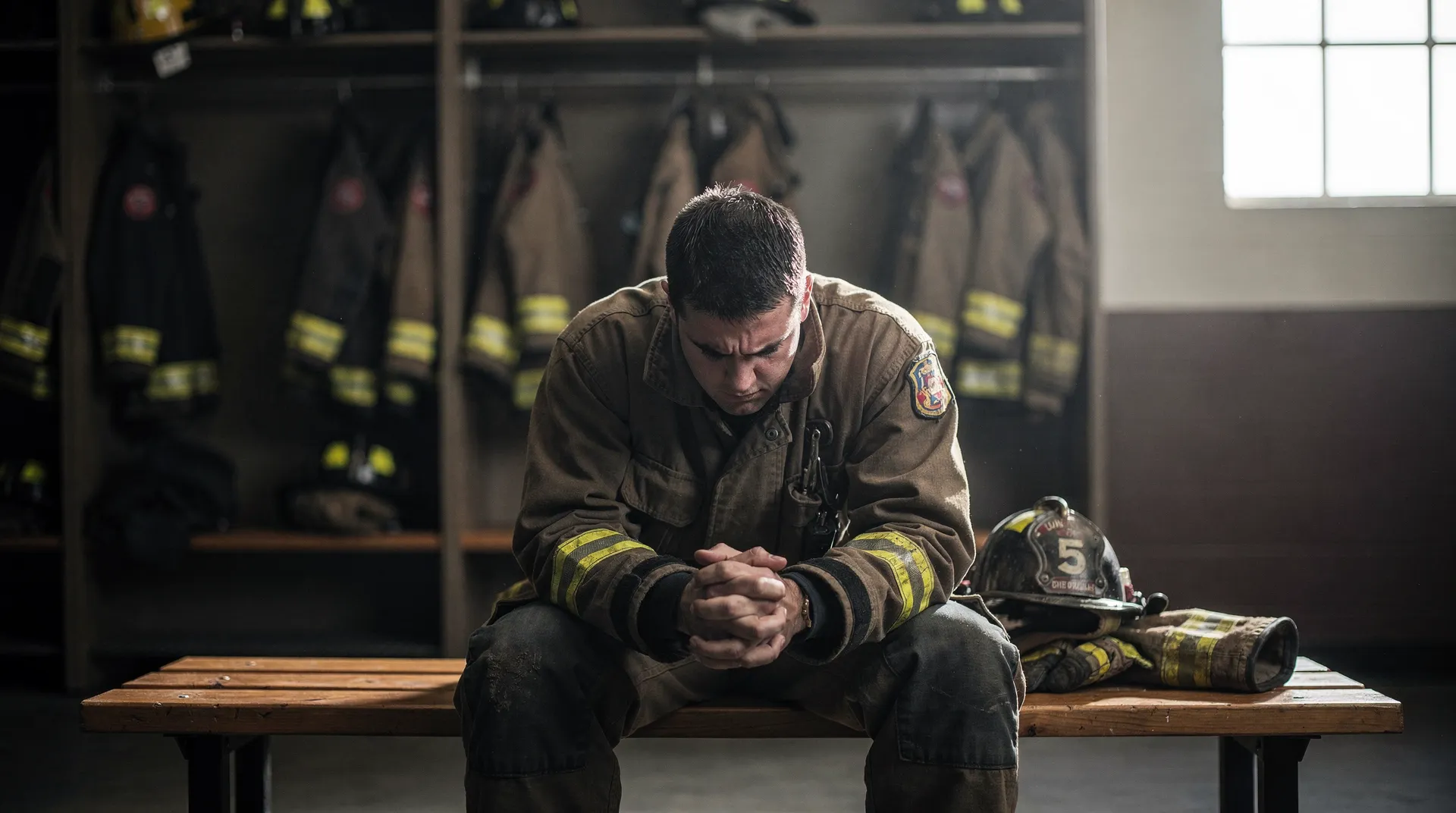
Mental health first responders carry an invisible weight that accumulates with every shift. First responders face elevated risk for depression, post-traumatic stress disorder, and suicide ideation — conditions that SAMHSA identifies as core behavioral health concerns across emergency services personnel.
The risks don’t stop at diagnosis. Without timely intervention, untreated trauma compounds over time, eroding a responder’s ability to function both on and off duty.
Why Do First Responders Avoid Professional Mental Health Support?
Cultural barriers run deep in emergency services. Due to unique cultural complexities within these professions, first responders turn mostly to peers for early psychosocial support rather than licensed professionals. Peer support is valuable — but it isn’t always available, and it doesn’t replace structured care. When professional help remains out of reach, mental health suffers in silence.
What Makes First Responder Burnout Different From Everyday Stress?
First responder burnout coaching addresses a specific kind of exhaustion — one built from repeated trauma exposure, identity suppression, and the relentless pressure to appear unshakeable. This isn’t ordinary workplace stress. Rise Thru Chaos, founded by a coach with a law enforcement background, recognizes that pattern directly. The brand specializes in post-trauma recovery and burnout for those who have spent years surviving for everyone else — and have lost themselves in the process.
The risks are real. The path forward exists.
How Can Trauma-Empathetic Coaching Support First Responder Healing?
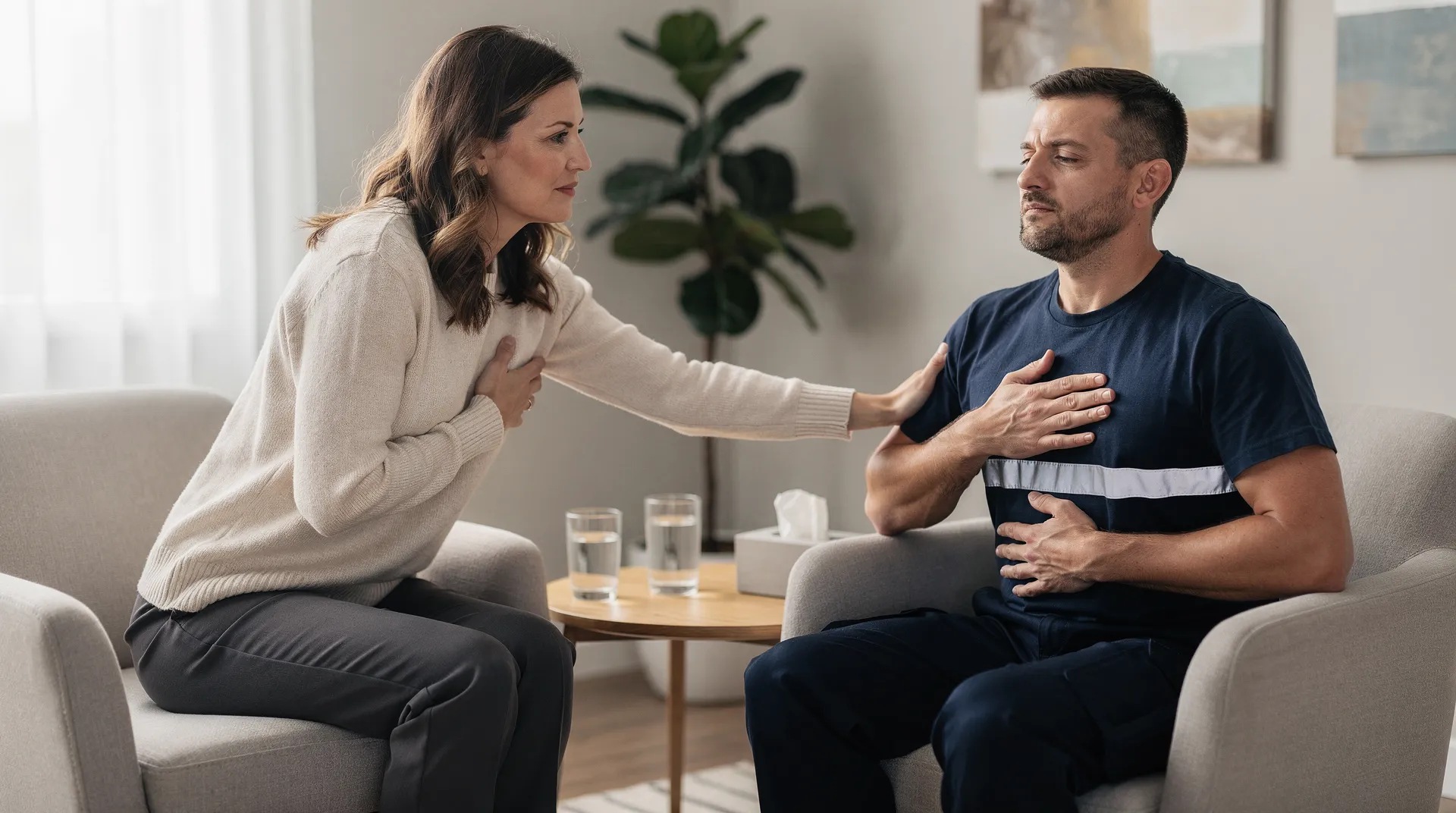
Trauma-empathetic coaching gives first responders a structured, compassionate pathway out of survival mode and into genuine recovery. Without more accessible routes to crisis intervention, mental health first responders carry silently. And resilience erodes long before anyone notices the cost.
Rise Thru Chaos addresses this gap directly. First responder burnout coaching at Rise Thru Chaos combines evidence-based coaching techniques, somatic awareness. Trauma-empathetic care — moving clients from a state of mere survival toward full self-reclamation. That combination matters because Understanding Burnout vs Depression: Key Symptoms Explained. It lives in the body.
What Does Nervous System Healing Look Like for First Responders?
The coaching approach at Rise Thru Chaos centers on nervous system healing and How Trauma-Empathetic Coaching Transforms Life Transitions. First responders learn to recognize how chronic stress has rewired their physiological responses. And then work to restore regulation at that same physical level. Reclaiming the body is often the first step to reclaiming a life.
Who Does Rise Thru Chaos Work With?
Rise Thru Chaos works with emotional caretakers, women navigating burnout, and first responders. Including those seeking coaching for law enforcement and veteran trauma coaching. The shared thread across every client is a life spent holding others together while quietly falling apart inside. A structured first responder wellness program built on trauma-empathetic principles meets that reality without minimizing it.
FAQ
Why do first responders avoid asking for help?
First responder culture frames vulnerability as failure, making silence the default coping strategy. Asking for help carries a stigma so powerful that officers, firefighters. Paramedics stay silent rather than risk being seen as weak.
Who do first responders turn to for early mental health support?
First responders turn mostly to peers for early psychosocial support rather than licensed professionals, due to unique cultural complexities within emergency services professions.
Where does Rise Thru Chaos offer support for first responders?
Rise Thru Chaos, founded by ICF-trained Coach Martha, is located in Albertville, Minnesota. Provides trauma-empathetic coaching and wellness support designed for first responders where the standard system has failed them.
Related Posts
High Functioning Anxiety Symptoms You’re Missing
Discover hidden signs of high-functioning anxiety beneath calm exteriors. Rise…


Peer Support for First Responders
Confidential peer support connects first responders with trained peers. Rise…
Coaching vs Therapy for Trauma: Which Helps Most?
Discover whether trauma coaching or therapy suits your needs. Rise Thru Chaos…