
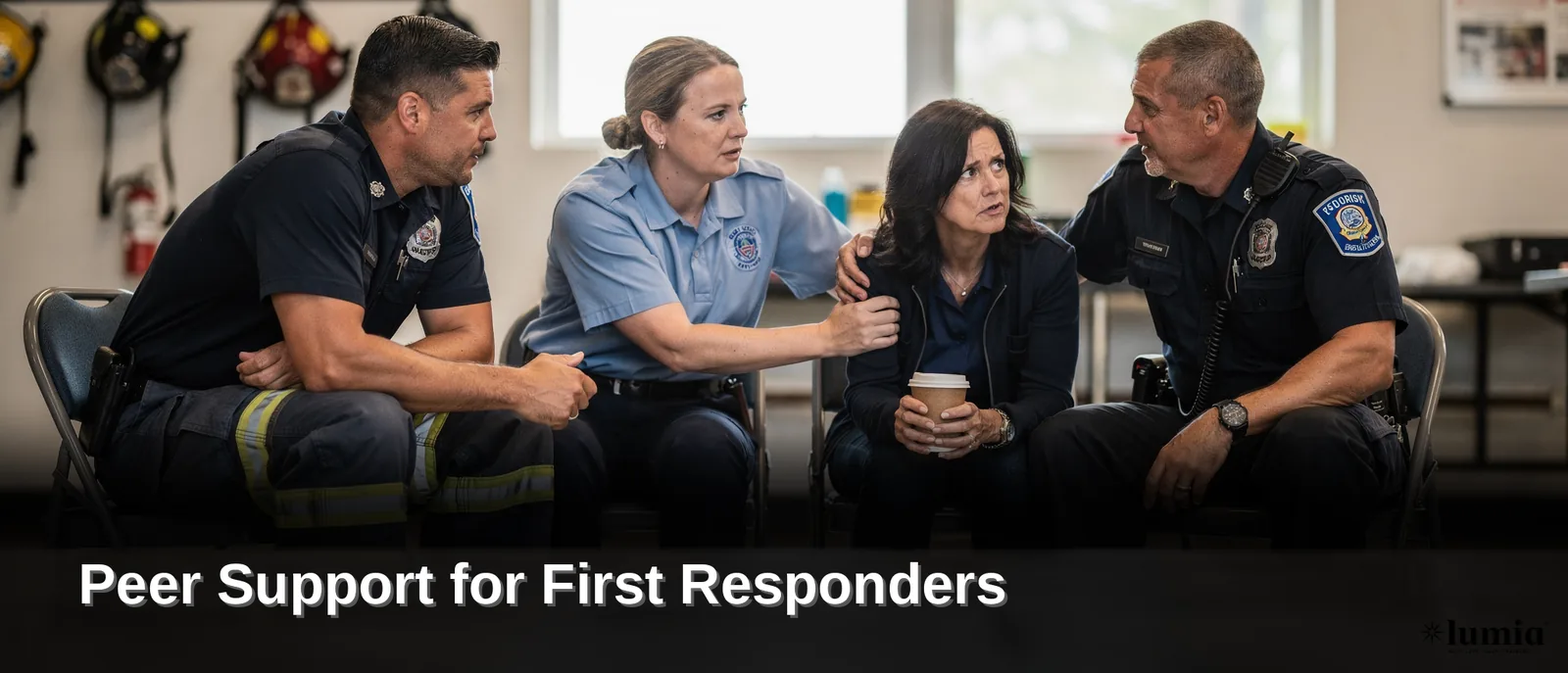
Peer support for first responders connects firefighters, police officers, paramedics, and dispatchers with fellow first responders trained in confidential, voluntary emotional support. The Texas Statewide Peer Support Network, run by TDEM, offers peer-to-peer support statewide, reachable at 979-820-PEER (7337). Rise Thru Chaos complements these networks with trauma-empathetic coaching for lasting healing.
Key Takeaways
Peer support networks provide confidential, voluntary assistance connecting first responders with trained peer counselors.
Texas Statewide Peer Support Network serves every first responder through the Texas Division of Emergency Management.
Peer support specialists listen, respond, and refer first responders to appropriate resources after critical incidents.
Rise Thru Chaos helps departments develop peer support programs before crises occur in their communities.
Why Does Peer Support Matter for First Responders?
Shared experience builds trust faster than any outside intervention ever could. Firefighters, police officers, paramedics, and dispatchers carry a professional language and a set of pressures that civilians rarely grasp. Peer support for first responders works because it comes from someone who has stood in the same chaos, not someone reading about it from a distance. That shared history shortens the walk described in Mental Health First Responders: Breaking the Silence, and disclosure is where healing begins.
Trauma-empathetic guidance built for this population understands the weight of the badge, the uniform, and the radio. Coach Martha’s own path through law enforcement, layered with personal loss and the demands of raising a neurodivergent child, shapes an approach to first responder mental health support that meets crisis without flinching. That lived background means guidance never feels theoretical. It feels earned.
Do First Responders Need a Coach Who Understands Their World?
Departments and individuals alike ask this constantly, and the answer is straightforward: understanding accelerates trust. Coaching that names first responders directly among the populations served signals a deliberate focus, not an afterthought.
What Makes Peer Support Different from Standard Therapy?
Peer support draws on lived experience inside emergency services, not just clinical training. Rise Thru Chaos extends that same clarity-in-chaos guidance to first responders alongside emotional caretakers. Women navigating transformation, meeting each with the same trauma-empathetic foundation.
How Can Departments Build Effective Peer Support Programs?
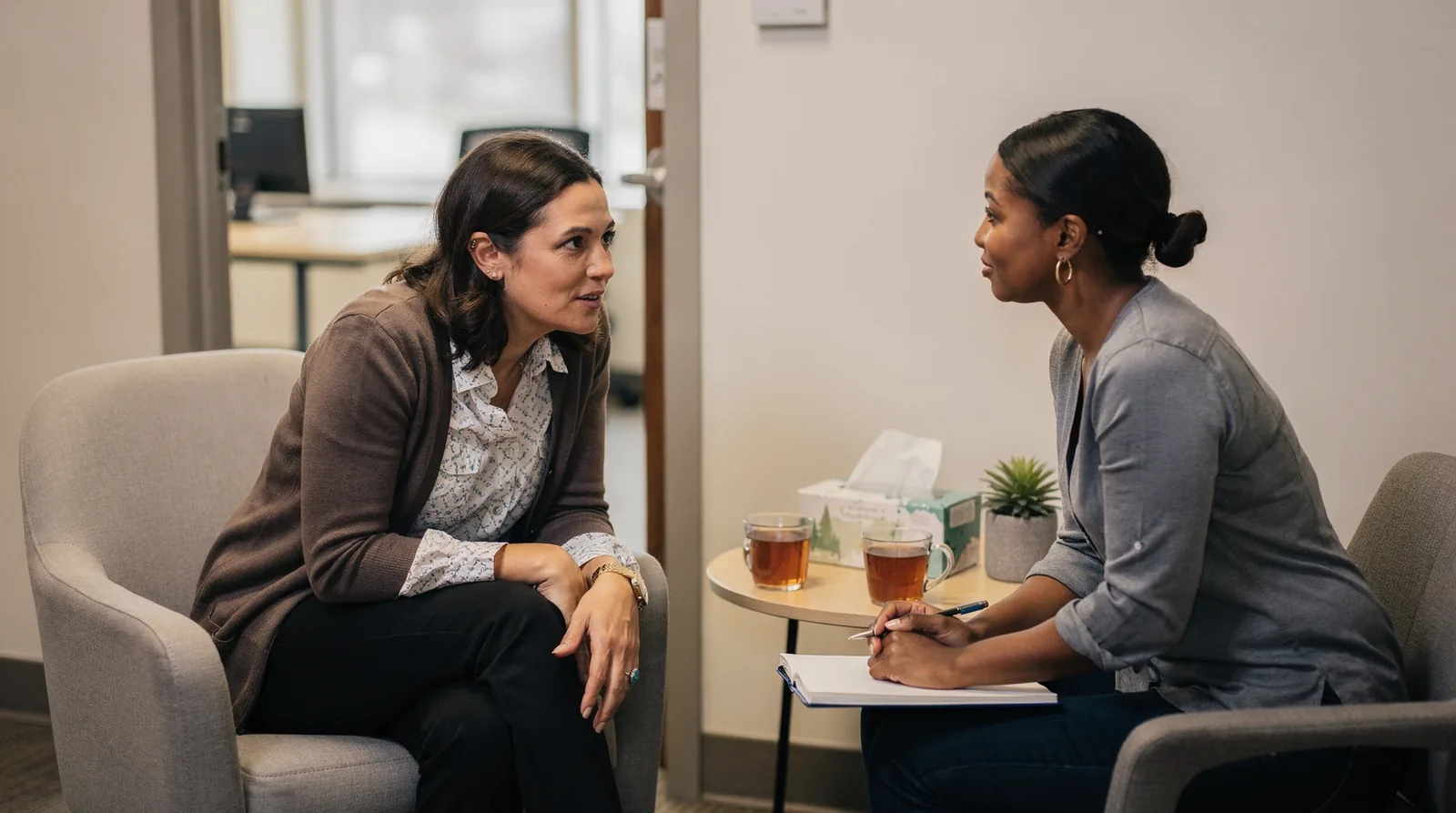
Strong programs start before a crisis hits, not after. Departments that wait for a tragedy to force the conversation lose precious time and trust. Those that build structure early give first responders somewhere to turn the moment strain begins. Waiting costs departments the chance to normalize support as routine, not emergency response.
Building peer support for first responders takes intention, not improvisation. A department cannot simply assign the role and hope for the best. Effective programs share a few common threads:
Leadership commitment that treats peer support as core infrastructure, not an afterthought
Training grounded in compassion, honesty, and genuine transformation, rather than a checkbox exercise
Ongoing access to first responder mental health support beyond the peer level, for cases that need deeper care
What makes peer support actually work long-term?
Programs endure when they root every interaction in compassion, truth, and transformation rather than procedure alone. Departments that model this same foundation internally, treating peer conversations as sacred rather than transactional, build trust that survives turnover and leadership changes.
Should peer support replace professional counseling?
No. Peer support works best paired with Coaching vs Therapy for Trauma: Which Helps Most? or clinical care, combining evidence-based techniques and somatic awareness to help a first responder move from survival mode toward genuine self-reclamation. Peer teammates open the door; deeper healing often requires walking through it with trained support.

What Makes Peer Support Training and Coaching Effective?
Structured curricula separate effective programs from informal check-ins. Certified training builds skill through layered coursework: a foundational Teammate track paired with additional Leadership instruction for those stepping into program oversight. This structure matters because peer support first responders need more than good intentions. They need frameworks for listening well, recognizing crisis signs, and knowing when to refer a colleague to professional care.
Effectiveness also depends on who delivers the support. Programs built for the first responder community work best when led from inside its own ranks, not by outsiders unfamiliar with the realities covered in Shift Work Mental Health First Responders: Shift Work Mental Health, gallows humor, or the weight of repeated trauma exposure. Peers trust peers who have lived the job.
Coaching extends this foundation into deeper, ongoing work. Rise Thru Chaos partners with clients to regulate the nervous system and build daily practices honoring body, mind, and spirit together. Rather than offering a quick fix, the process becomes a pathway back to power, clarity, and peace.
What does effective first responder mental health support actually include?
Effective first responder mental health support combines trained peer contact with structured coaching that addresses root patterns, not just symptoms. It blends confidential listening, nervous system regulation, and sustainable habit-building.
Can peer support replace professional coaching or therapy?
Peer support offers immediate, relatable connection but works best alongside deeper coaching or clinical care. Peers provide first contact and validation; coaching provides the longer path toward lasting change.
FAQ
What is peer support for first responders?
Peer support connects firefighters, police officers, paramedics, and dispatchers with fellow first responders trained in confidential, voluntary emotional support. Rise Thru Chaos, based in Albertville, Minnesota, complements networks like Texas Statewide Peer Support with trauma-empathetic coaching.
Why does peer support work better than outside intervention?
Shared experience builds trust faster because guidance comes from someone who stood in the same chaos, not someone reading about it. This shortens the walk from silence to disclosure, where healing begins.
How should departments approach building a peer support program?
Departments build structure before a crisis hits, giving first responders somewhere to turn the moment strain begins. Effective programs require leadership commitment, compassion-grounded training, and ongoing access to deeper mental health support.
Conclusion
In closing, peer support for first responders represents a vital pathway to healing and resilience in professions marked by repeated exposure to trauma and chaos. When first responders connect with others who truly understand their experiences, they reclaim agency over their narratives and rebuild trust in themselves and their communities. This compassionate, trauma-empathetic approach honors the courage it takes to ask for help and transforms isolation into connection—the foundation upon which meaningful recovery is built.
Related Posts

Targets “identity Loss: Reclaiming Your Self: Identity Loss
Rebuild personal identity after divorce or career change. Rise Thru Chaos…

Why Do I Feel Numb? Understanding Emotional Numbness
Learn what emotional numbness is, why it happens, and how therapy can help…

Why Do I People Please? Breaking the Fawn Response
Understand the fawn response trauma pattern behind people-pleasing. Learn why…